In this fast-paced era of health-conscious consumers, the food and beverage industry worldwide is witnessing a paradigm shift toward functional foods. One such advancement in nutritional science is the field of "biotics," a frontier with immense potential for promoting health and well-being.
Biotics, Health and General Well-being
A healthy gut with a thriving microbiota is essential for overall health and has a profound impact on several aspects of our well-being. Prebiotics, probiotics, synbiotics (“pre-, pro-, sym-”), and postbiotics play an important role in maintaining a beneficial gut microbiota and have been shown to improve gut health, strengthen the immune system, and support several other aspects of health and well-being.

Pre-, Pro-, Sim-, and Postbiotics Demystified
While prebiotics are substrates that selectively feed beneficial microorganisms, promoting health, and probiotics are live microorganisms that also provide health benefits, synbiotics combine prebiotics and probiotics, enhancing their beneficial effects on the host. Postbiotics, on the other hand, are preparations of inanimate microorganisms or their components that, even without being alive, offer health benefits.
All of these biotypes have been associated with benefits related to the immune system and other aspects of health. They have in common the fact that many of their benefits are associated with short-chain fatty acids (SCFAs), produced when bacteria administered alone (probiotics) or in combination with prebiotics (synbiotics) ferment prebiotic soluble fibers in the colon. SCFAs are the best-known type of postbiotic, being important components of gut health and providing several health benefits, including reducing inflammation, improving insulin sensitivity, and promoting weight loss.
Biotics and the Functional Food Revolution
Functional foods are becoming increasingly popular as consumers seek products that offer tangible health benefits. Prebiotics, probiotics, synbiotics, and postbiotics are becoming key players in the functional food revolution. These biotics are being used in the food and beverage industry to create functional foods that offer health benefits beyond basic nutrition, adding them to a variety of products.

Application of Pre-, Pro-, Sim- and Postbiotics
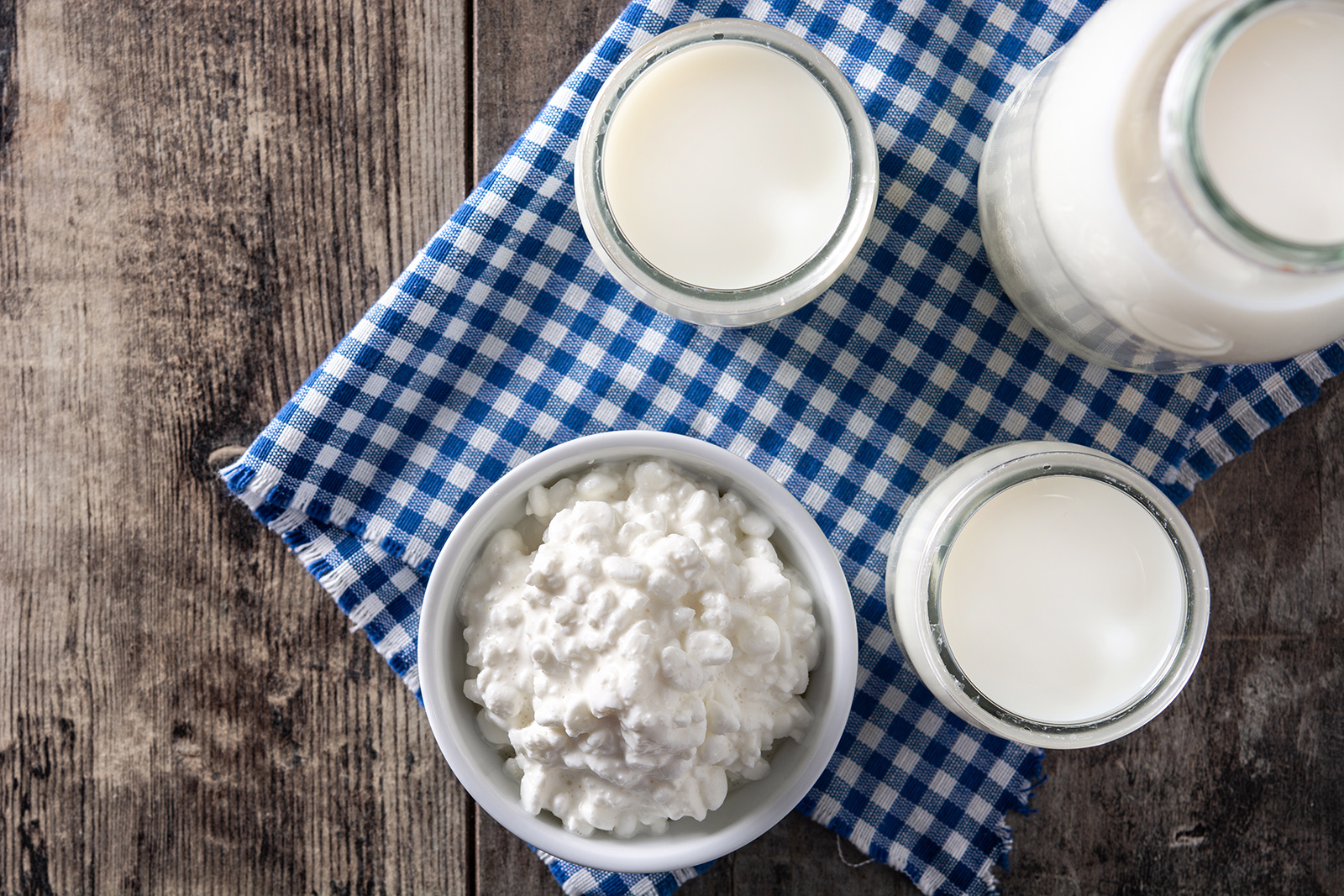
The food industry is embracing the nutritional frontier of biotics and incorporating them into functional foods. While probiotics and synbiotics have been used primarily in dairy products such as yogurt, kefir, and fermented milk, postbiotics are finding applications in kombucha, kimchi, miso, and sourdough bread. Prebiotics, such as chicory root fiber, are finding applications in categories such as: dairy products (yogurt and milk-based beverages), bakery products (breads and cereal bars), beverages (functional beverages and teas), snacks (granola bars, nut/seed mixes, and functional snacks), plant-based products (plant-based yogurts and meat alternatives), baby and children's products (infant nutrition, cereals, and fruit snacks), and supplements.

Marketing and Consumer Awareness
Marketing strategies for functional foods rich in pre-, pro-, sim-, and postbiotics should focus on transparent labeling, consumer education, and strategic partnerships. Clear product labeling with information on the type and amount of biotics present can help consumers make informed decisions about their dietary choices. Educating consumers about the benefits of biotics and how they can improve health helps increase demand for these products, whether through social media, blogs, or other online platforms. Finally, partnering with health and fitness professionals can help promote consumer awareness of biotic-rich functional foods.
Conclusion and Future Perspectives
Developing biotic products involves a combination of scientific research and innovation. While manufacturers are exploring new ways to incorporate biotics into their products, marketing for these products should emphasize their benefits. By educating consumers about the benefits of biotics and how they can improve health and well-being, manufacturers can increase demand for these products and promote a healthier lifestyle.
Our Glossary: Understanding Key Terms
-
Prebiotic: a substrate selectively used by host microorganisms, conferring a health benefit. The main components include inulin, oligofructose (FOS), and galactooligosaccharides (GOS).
-
Probiotics: Live microorganisms that provide health benefits when administered in adequate amounts and that must survive the journey through the gastrointestinal tract.
-
Symbiotic: A mixture of live microorganisms and substrates selectively utilized by host microorganisms for a health benefit (probiotics + prebiotics or live microorganisms with substrates).
-
Postbiotic: Non-living microorganisms or their components that confer a health benefit (non-viable cells/cellular structures with or without metabolites such as short-chain fatty acids).
References